Lymphedema Drainage
MANUAL LYMPH DRAINAGE (MLD)
Manual Lymph Drainage (MLD) is indicated for a wide range of conditions because it affects diverse physiological functions and can serve as an alternative or supplement to other physical therapies. It is especially valuable for edema/lymphedema, traumatic injuries, CRPS, scar therapy, rheumatic and inflammatory disorders, dental/postoperative care, cerebral edema-related conditions, dermatologic and vascular problems, and selected other conditions; it often works best combined with compression, bandaging, and remedial exercises, and its edema-reducing and analgesic effects help improve mobility and allow earlier exercise.
-
Lymphedema: Primary or secondary lymphedema, including after mastectomy/axillary node removal or radiation; MLD rarely removes edema completely but reduces size and improves condition. Combine with compression bandaging and remedial exercises. Benzopyrone may help clear plasma proteins; diuretics give only short-term fluid loss and may encourage fibrosis.
-
Trauma/fractures: Hematomas should be treated early once bleeding stops; MLD helps drain even large hematomas. Useful for distortions, dislocations, muscle fiber tears, and pre-/post-fracture and surgical care, with isometric/active exercises and elastic bandaging.
-
CRPS/RSD: Major indication in all stages; edema removal plus analgesic effect enables earlier passive and active remedial exercises.
-
Scars/burns/cosmetic surgery: Improves wound healing and scarring, restores interrupted lymph drainage routes, softens hyperkeratotic scars, reduces itching/redness, and may make surgical scar correction unnecessary; scar therapy requires time. Good for cosmetic surgery aftercare.
-
Rheumatic/soft-tissue disorders: Rheumatoid arthritis responds well; tendinitis, tendoperiostitis, tendovaginitis, bursitis, periarthritis/perarthrosis, and carpal tunnel syndrome respond but need longer individual courses.
-
Dentistry/chronic inflammation: Useful in jaw-position correction, tooth extraction/operations, and chronic cold, tonsillitis, sinusitis, and bronchitis.
-
Cerebral/local edema: Stroke, craniocerebral trauma, concussion, apoplexy, headache, migraine, and Meniere’s syndrome; intrabuccal drainage supports cerebral decongestion. Also helps local edema in bulbus, spinal marrow, or peripheral nerves.
-
Dermatology/vascular/other: Acne and rosacea; post-thrombotic syndrome and leg ulcers of venous, arterial, or diabetic origin; mastodynia, “cellulite,” fibromyalgia, scleroderma, postpartum milk stasis, and swollen legs in healthy individuals.
-
Quality note: Dr. Vodder Academy and Wittlinger Lymphedema Clinic training/therapy is ISO 9001 approved.
COMBINED DECONGESTIVE THERAPY (CDT)
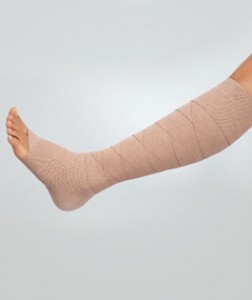
Combined Decongestive Therapy uses bandaging and compression to achieve therapeutic results, and bandaging is applied across many conditions—not only lymphedema. For venous insufficiency, proper bandaging can help heal ulcers and reduce edema; once resolved, garments/stockings help prevent ulcer or infection recurrence, with protocols varying by condition and situation. For lymphedema, treatment is typically a series of 10–14 daily sessions with bandages usually applied to the leg(s) or arm(s); the layered bandages may require temporary daily adjustments such as different shoes or looser clothing, and fitted garments are provided after the series is complete.
-
CDT principle: Bandaging/compression are core processes; bandaging is used for multiple conditions, not just lymphedema.
-
Venous insufficiency: Bandaging helps heal ulcers and reduce edema; after resolution, garments/stockings prevent recurrence of ulcers/infections; protocol varies.
-
Lymphedema: Usually 10–14 daily sessions; bandages typically on legs/arms; layered bandages may require temporary clothing/shoe changes; fitted garments follow completion.
Lymphedema Drainage
Compression Stockings: What They’re Used For
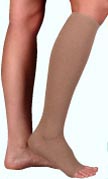
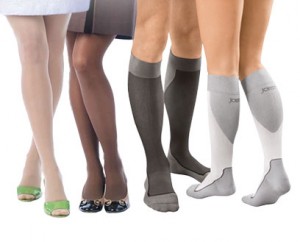
Compression stockings support many situations—from athletic performance to swelling and clot prevention. They come in different pressure levels, lengths, and colors, so choosing the right pair matters.
Common uses include:
-
Athletic performance — may help increase oxygen delivery, reduce lactic acid, minimize cramps, and prevent muscle fatigue.
-
Swelling and circulation issues — venous insufficiency, airline travel, bedridden or inactive individuals, heaviness/aching in the legs, and people who stand or sit all day.
-
Blood clot prevention — pressure helps prevent arteries from expanding, which can reduce slow-moving blood and lower clot risk.
Important safety note: Buying off-the-shelf stockings without knowing what you need can be harmful. Trained garment fitters—often available through pharmacies or stores that supply stockings—can help you choose correctly. If you’re seeing a massage therapist trained in Manual Lymph Drainage and Combined Decongestive Therapy, they can connect you with a garment fitter.
Compression Garments: Support That Fits Your Needs
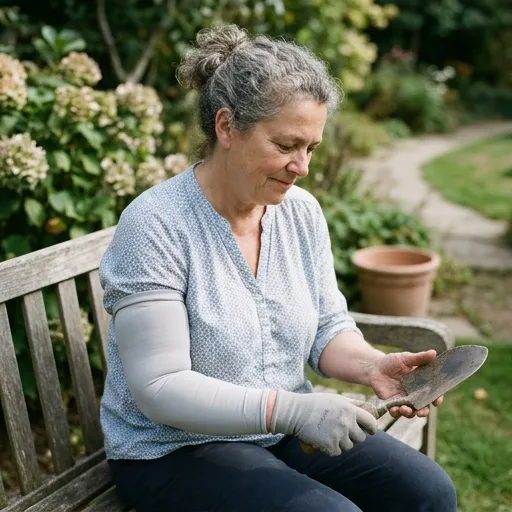
Compression garments provide support for people with lymphedema, venous insufficiency, chronic swelling, and other conditions. They vary in compression strength: someone with poor circulation and a heart condition may need a lighter garment, while someone with lymphedema and no contraindications may need a much higher level.
Safety and fitting are important:
-
If you have lower-leg edema or lymphedema, your physician should perform an Ankle-Brachial Pressure Index (ABPI) test and recommend the right compression level. This helps confirm there is enough arterial circulation before a compression bandage or garment is worn.
-
Know when to see a garment fitter versus buying off the shelf—custom-made garments are sometimes necessary.
-
Your Manual Lymph Drainage therapist can provide a list of garment fitters in your area.